Plenty of variety
The annual programme includes speakers, internal competitions, practical evenings and occasional opportunities to show members’ work in local venues.

Wimborne Photography Club is here to help members improve their photography, enjoy the process and spend time with people who are equally interested in making better images.
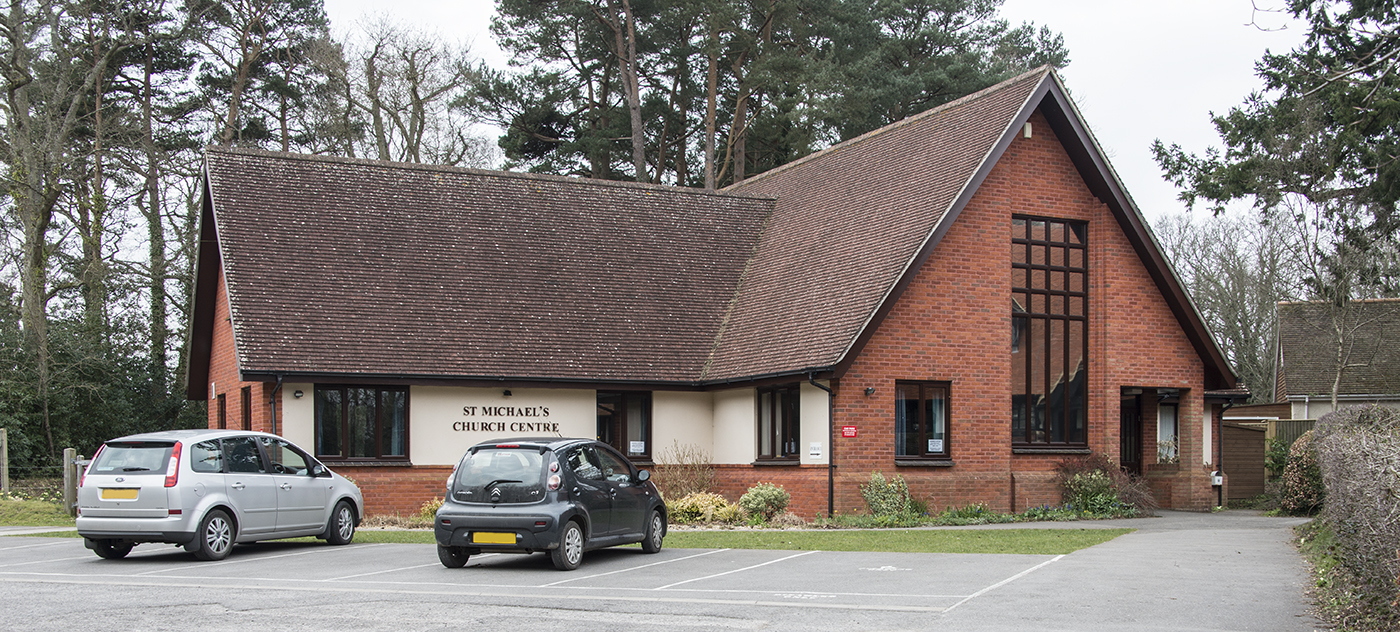
Wimborne Photography Club is friendly and welcomes people of all ages and abilities. Many members contribute to the club’s evenings and activities, and has an active and committee oversees the organisation. We have regular talks from experts, photography evenings and socials. Membership is charged annually, with fees adjusted on a pro rata basis for those who join later in the season.
The annual programme includes speakers, internal competitions, practical evenings and occasional opportunities to show members’ work in local venues.
The club values developing your knowledge and skill as a photographer. It doesn’t matter whether you use a phone, drone or the latest gear, they all fit within our culture of support and constructive feedback.
Monitor and printer calibration equipment can be borrowed for a nominal fee, with additional help available if members would like support using it properly.
From a disused school dormitory and makeshift darkroom to exhibitions, trophies, new technology and a thriving local community, Wimborne Photography Club has always brought photographers together.
The very first gathering of Wimborne Photography Club, then called Wimborne Camera Club, was held in 1960, in a long-abandoned dormitory at the local grammar school.
The person who really set the wheels in motion was Catherine Mackenzie, from Merley. She brought together a band of keen photography lovers, all eager to sharpen their skills and improve their pictures.
One of the club’s earliest jobs was not especially glamorous: turning an unused bathroom into a proper darkroom, where film could be developed and prints brought to life.
Founder member Jack Loveland, of Parkwood Road, Wimborne, remembered the team effort well: “We managed it with help from a chemist, a secretary, a plumber, a radio engineer and several young ladies from a local boarding school, plus two ladies who ran a tea shop.”
Then came the brushes, mops and paint, and before long new members were appearing every week. “Photography was a very popular hobby during the 1960s,” said Jack.
Meetings were lively, although they did have a habit of going on rather longer than planned. The school caretaker, waiting to lock up, could become a little restless — though an ounce of his favourite tobacco apparently worked wonders.
Before long, Wimborne was competing against other camera clubs and inviting local groups to join them at the grammar school. This led, in March 1964, to the creation of the Stour and Avon Photographic Association.
League tables and trophies soon followed, along with guest speakers and exhibitions — a tradition that still continues today.
As membership grew, the club moved into an old wartime hut on land that is now part of Hanham Road. The council provided it at a peppercorn rent, and although there was no impatient caretaker watching the clock, the building had challenges of its own.
It was cold, draughty, and water had to be brought in by hosepipe from nearby Allendale House, then the council offices. Members raised money through raffles, fashion shows and jumble sales, and even cleared woodland on the far side of Allendale House.
Then a hut became available for the bargain price of £25. There was, however, one small complication: it was in Salisbury. It was also huge, meaning it had to be taken apart, transported to Wimborne, and carefully rebuilt.
The old army hut, possibly dating back to the First World War, had most recently served as a chicken shed — and on a warm day, the smell was not easily forgotten. Once again, the members rolled up their sleeves.
The first meeting in the new building took place in September 1968, when holiday slides and prints were shown. Black and white photography was still the club favourite, though several members were already experimenting with colour.
Over the years, Wimborne proved ready to embrace fresh ideas and new technology. One bold venture was a photographic weekend at Avon Tyrell in the New Forest.
It was a great success, with around 60 people attending practical sessions led by Bill Jay, then editor of Creative Camera. George Hughes, editor of Amateur Photographer, also took part in a teach-in at Avon Tyrell.
Among the club’s earliest and most enthusiastic members was Roger Holman, who went on to become a world-renowned photographer, celebrated for his beautifully illustrated books of Dorset.
Several technically minded members also created an early system for dissolving and merging slides using twin projectors — a piece of wizardry which, Jack said, “caused a stir” at public shows.
Roger remained an active member until his death in 2021. He is fondly remembered by all who met him and the club's 'Photographer of the Year' is awarded in his name.
Looking back, Jack said: “I’m proud to have belonged to a club that was always active in the community. Our local tradesmen stepped forward with trophies, we built carnival floats, and Roger organised trips to London.”
Since its inception, the club had many members who also embraced cine film. In the 60s and 70s the technology had become more affordable, Members would gather together to produce and make short films which could be shown on club nights. In the mid-1970s the camera club disbanded as cine film gained in popularity. The Cine and Video Club continued to meet there for many years.
Traditional photography amongst members was still very active, so it was decided to form a dedicated camera club and a new location in Colehill where it still meets today.
As many club members actively use phones and drones, as well as cameras, for both casual and competition photography, it was decided in May 2026 to change the club’s name from Wimborne Camera Club to the more appropriate Wimborne Photography Club. The name change better reflects the club’s stronger emphasis on the craft of photography, rather than on the equipment used. That said, many conversations are still to be had about the virtues of cameras, lenses, accessories, and software.
From darkrooms and slide projectors to modern photography, Wimborne Photography Club has continued to evolve while keeping its original purpose: helping local photographers meet, learn, share ideas and enjoy making pictures.
Some members are highly active in competitions, while other prefer to just attend talks, practical evenings and social club nights. There's something for everyone so it's easy to find your own level of involvement.